Selling a home is one of the biggest financial decisions you'll make — and knowing what to expect up front can take a lot of the stress out of the process. Whether you're in Greensboro,-

Dated: February 27 2025
Views: 288
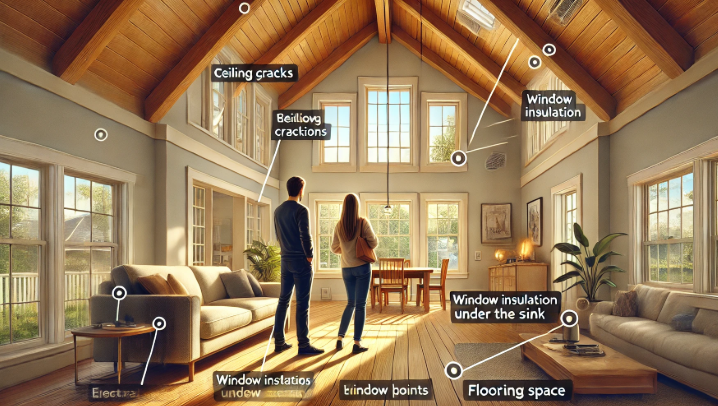
A home tour is one of the most exciting steps in the home-buying process. While it’s easy to be swayed by beautiful staging and curb appeal, it’s essential to look beyond the surface to ensure the house meets your needs and is in good condition. This guide will walk you through key areas to inspect during a home tour, common red flags to watch for, and frequently asked questions to help you make a confident decision.
Your first impression of a home sets the tone, but look deeper than aesthetics. Consider:
Neighborhood condition: Are the surrounding homes well-maintained?
Traffic & noise levels: Is it near a busy road, railroad, or airport?
Street parking & driveways: Is there enough space for your vehicles?
A roof is a significant investment, so check for:
Visible damage: Missing, curled, or discolored shingles.
Gutters & drainage: Are they clean and directing water away from the house?
Age of the roof: Roofs typically last 20-30 years depending on the material.
A solid foundation is crucial for a home's integrity.
Cracks: Large cracks in the foundation or walls can indicate structural issues.
Water damage: Stains or discoloration may suggest leaks or poor drainage.
Siding and paint: Look for peeling paint, rotting wood, or mildew growth.
Flooring condition: Are there uneven surfaces, squeaks, or visible damage?
Smells: Unpleasant odors can indicate mold, pet issues, or past water damage.
Ceiling stains: May suggest leaks from plumbing or roofing.
Functionality: Do they open and close smoothly?
Drafts: Feel around edges for air leaks.
Locks: Ensure all locks work properly for security.
Cracks or discoloration: Minor hairline cracks are normal, but large gaps could mean foundation issues.
Peeling paint or wallpaper: Could indicate moisture problems.
Water stains: May suggest leaks in plumbing or the roof.
Appliances: If included, check their age and condition.
Cabinets & drawers: Open and close them to check for functionality.
Sink & plumbing: Run the water to test water pressure and check for leaks under the sink.
Ventilation: Is there a working range hood or vent for cooking smoke?
Water pressure & drainage: Run faucets and flush toilets.
Mold & mildew: Look around tubs, showers, and under sinks.
Exhaust fan: Ensures proper ventilation to prevent moisture buildup.
Leaks: Check around toilets and under sinks for any signs of plumbing issues.
Size & layout: Can your furniture fit comfortably?
Closet space: Is there enough storage for your needs?
Windows: Are they large enough for natural light and emergency exits?
Basement: Check for musty smells, dampness, or visible mold.
Attic: Look for proper insulation, signs of roof leaks, and rodent activity.
Outlets & switches: Test them to ensure they work.
Breaker box: Look for labels and signs of wear or old wiring.
Lighting fixtures: Ensure they function properly.
Furnace & AC: Ask about age and maintenance history.
Filters: Check if they are clean and replaced regularly.
Ducts & vents: Look for dust buildup and proper airflow.
Water heater: Ask about its age and last servicing.
Water pressure: Turn on multiple faucets simultaneously.
Signs of leaks: Inspect around pipes, under sinks, and near appliances.
A thorough home tour usually takes 30 minutes to an hour, depending on the size of the home.
While a full home inspection is typically done after an offer is accepted, you can bring an experienced friend or contractor for an initial walkthrough.
Major foundation issues (large cracks, sloping floors)
Roof in poor condition
Extensive water damage or mold
Outdated electrical or plumbing systems
Yes! If they’re included in the sale, test the stove, dishwasher, refrigerator, and washer/dryer.
Small fixes like paint touch-ups or outdated fixtures aren’t deal-breakers. However, make sure the cost of repairs aligns with your budget.
Most buyers tour 5-10 homes before making an offer, but the right home varies for everyone.
A home tour is more than just admiring a house—it’s an opportunity to uncover potential issues and determine if the property is truly the right fit for you. By following this guide and keeping a checklist, you’ll be well-prepared to make a confident decision.
Are you ready to start touring homes? Connect with a trusted real estate professional to schedule your visits today!

Kristen Haynes is a true Entrepreneur with over 10 years of real estate experience and a 6 figure agent after her first year selling residential real estate in 2013. After being a top producing agent ....
Selling a home is one of the biggest financial decisions you'll make — and knowing what to expect up front can take a lot of the stress out of the process. Whether you're in Greensboro,-
Whether you're buying your first home, selling a property you've outgrown, or just starting to explore the Triad market, you probably have questions. Here are answers to some of the ones we hear
For most homebuyers, financing is the single biggest piece of the puzzle — and understanding your options before you start house hunting can save you time, stress, and money. Here's a
If you're thinking about buying a home in Greensboro, Winston-Salem, High Point, or one of the surrounding Triad communities, you're in good company. This region continues to draw buyers who want
Should you require assistance in navigating our website or searching for real estate, please contact our offices at 1004 N Elm St, Greensboro, NC 27401.

 © 2026 Triad MLS, Inc. All rights reserved. IDX information is provided exclusively for personal, non-commercial use, and may not be used for any purpose other than to identify prospective properties consumers may be interested in purchasing. Information is deemed reliable but not guaranteed. This site will be monitored for "scraping" and any use of search facilities of data on the site other than by potential buyers/sellers is prohibited. All Sale data is for informational purposes only and
is not an indication of a market analysis or appraisal. Data cannot be redistributed and cannot be used for any reason other than provided in the contract. Properties marked with the Triad MLS, Inc. icon are provided courtesy of the Triad MLS, Inc.'s, Internet Data Exchange Database. Data last updated September 21, 2026 1:15 PM UTC
Show More...
© 2026 Triad MLS, Inc. All rights reserved. IDX information is provided exclusively for personal, non-commercial use, and may not be used for any purpose other than to identify prospective properties consumers may be interested in purchasing. Information is deemed reliable but not guaranteed. This site will be monitored for "scraping" and any use of search facilities of data on the site other than by potential buyers/sellers is prohibited. All Sale data is for informational purposes only and
is not an indication of a market analysis or appraisal. Data cannot be redistributed and cannot be used for any reason other than provided in the contract. Properties marked with the Triad MLS, Inc. icon are provided courtesy of the Triad MLS, Inc.'s, Internet Data Exchange Database. Data last updated September 21, 2026 1:15 PM UTC
Show More...
